
Notes from life at The Assam Valley School
Confidence is not an absolute quality, especially in the environment of a boarding school in India. It is more like a flickering light in a lantern: one day a child is conducting a debate, and the next, they are afraid to raise a hand to answer a question. In both instances, the reason for the transformation is not easily identifiable, but in both instances, the answer is clearly in the daily context provided in the school setting.
A school is not just a location for “lessons.” A school is a living routine in which the child gradually evolves to form a notion of self:
What Children Actually Notice
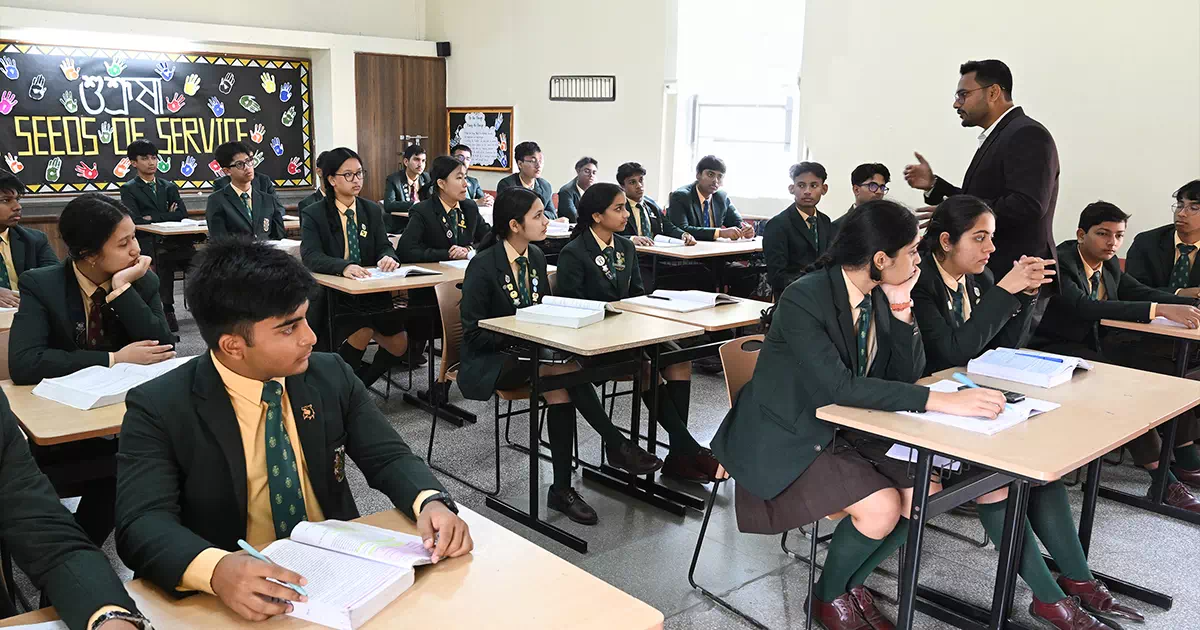
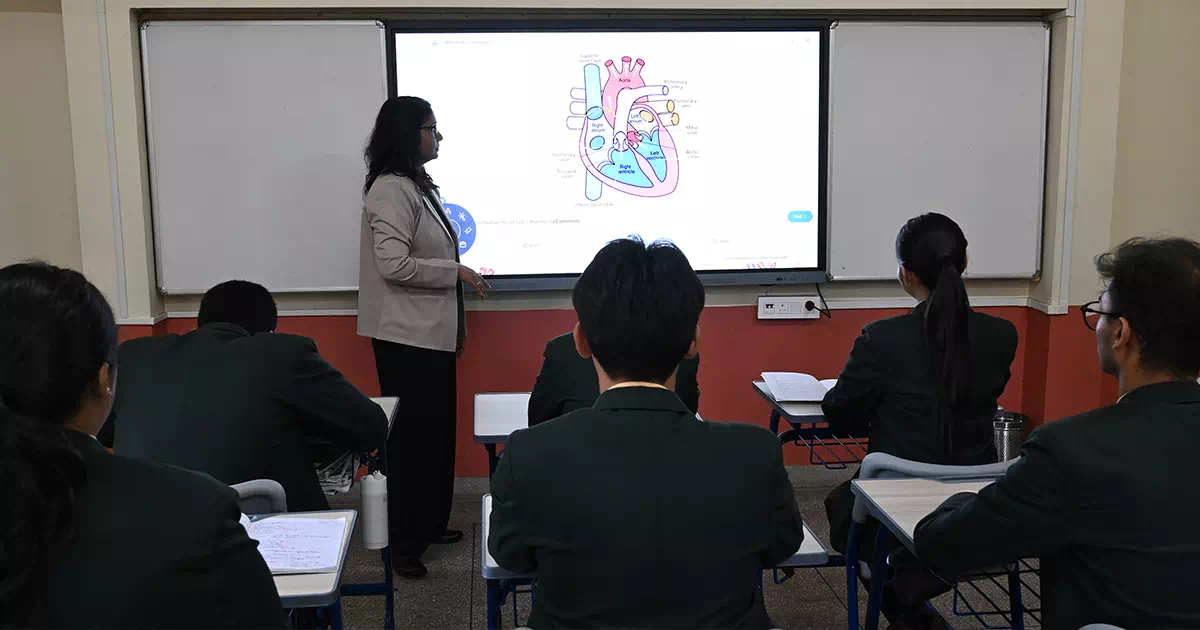
While parents and administrators talk about high-end infrastructure or board results, the kids are looking at the small stuff: that half-second pause a teacher makes before correcting them, the silence of a peer that did not share in their laughter, and those tiny, unspoken nods of approval.
These micro-moments happen by the thousands. Over months, they form a child’s “internal map.” Confidence grows when there is an assurance of stillness. It dies where a child feels she is under perpetual judgment. In residential schools in India, given that life is 24/7, to be “seen” and “supported” is more crucial than anywhere else. At The Assam Valley School, we make sure no child disappears between the classroom and the field.
Lowering the Stakes to Raise the Learning
“You can’t learn when your heart is racing.” If a child feels as if they are “on stage,” they will not take risks. “They will not make eye contact. They will hurry to complete an assignment to avoid the notice of others.”
A positive boarding setup eliminates that “performance” pressure. “It is okay to be wrong. It is okay to make mistakes,” we tell them. “Let them keep repeating those mistakes until they finally get it. “And then, bit by bit, the rehearsed responses fade away, and curiosity takes over. The “Big Aha!” experience in A Boarding School in India occurs in the cafeteria, not in the laboratory.
The Power of the Clock
Social life is where real growth happens. Living together is hard, messy, and necessary. Most residential schools in India use a strict timetable. Wake-up calls, study hours, and rest periods. This is not about being “strict.” It is about removing the mental clutter of choice. When a student knows exactly what the day holds, they can spend their energy on deep work rather than worrying about the schedule.
At The Assam Valley School, this rhythm creates a sense of calm. The predictability helps them focus. They are not constantly adapting to surprises, so they can dive deeper into their hobbies and books.
Friendships as a Textbook
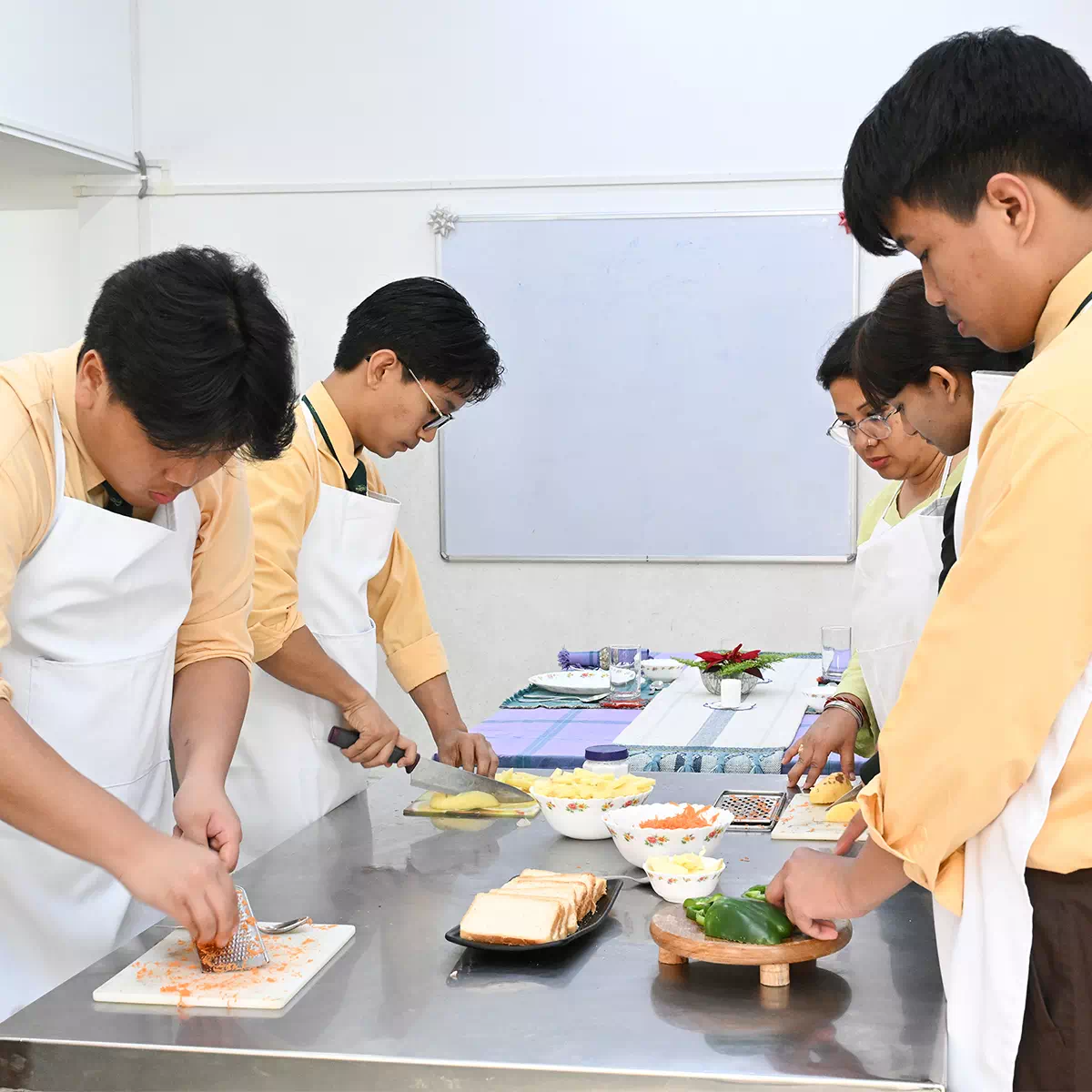
Textbooks are only half the story. Kids learn empathy by living through a disagreement with a roommate. In a boarding environment, you cannot just walk away from a social problem. You must talk. You must listen. You must stay present.
Because students at The Assam Valley School come from all over, the “who has more” competition usually fades away after the first few weeks. Familiarity kills the urge to compare. When a child feels they truly belong to the group, they stop being afraid of the curriculum.
Independence Without the Fanfare
In a Boarding School in India, independence is a result of personality evolution. It is the moment a student decides to fix their own problem instead of calling home. It is the way they manage their time without being nagged.
That initial fear of being away from home eventually turns into a deep self-trust. They realize they can manage life. This makes them better students. They start trying the “hard” math problems without waiting for someone to hold their hand.
Teachers as Humans, Not Just Authorities
In Residential Schools in India, the label “teacher” isn’t sufficient as he/she serves multiple roles. A teacher is a coach, a mentor, and a presence at the breakfast table. This is a fundamentally unique experience.
Schools that foster this kind of bond are the ones that end up as a top ten school in India. It is the consistency of care that builds the reputation.
The Cycle of Success
Confidence and learning are in a feedback loop. A steady student tries more. A student who tries more learns more. A student who learns more feels even steadier.
The best school in India is not the one with the most gold medals. It is the one where students know how to fail, get back up, and keep going without feeling crushed by the weight of expectations.
A New Vision for Parents
The emphasis on achieving good grades is always increasing. Parents nowadays desire their children to feel secure and develop as individuals. They desire to have their child growing up as a strong adult rather than as a high-scoring student.
This is why the approach to residential school in India is changing. Families desire long-term caring schools as opposed to short-term scores. At The Assam Valley School, children develop at their own pace. No rushing. No endless checks. Only room to breathe and be.
Final Word
A school touches the soul. There are touches that will link you tightly and those that will pull back. Real confidence is developed during peaceful, secure times. When there is no fear, learning is long. This takes years, not days. A school that is aware of this does not just teach you but transforms you.
FAQ
What defines the best Boarding Schools in India?
The “best” schools are not just about massive campuses. They are defined by a balanced “living learning” ecosystem. In the top Boarding Schools in India, education is holistic—blending rigorous academics with emotional intelligence, sports, and a stable daily rhythm that helps children feel secure enough to take intellectual risks.
How do Boarding Schools in India manage a child’s transition from home?
Most reputable Boarding Schools in India have a structured pastoral care system. At The Assam Valley School, for instance, house masters and mentors function as a second family. This support network ensures that the initial phase of homesickness quickly turns into a sense of belonging and newfound independence.
Why do parents prefer residential schools over day schools today?
Modern families often look toward Boarding Schools in India because they provide a “distraction-free” zone. Without the daily commute and the lure of excessive screen time, students have more room to breathe, focus on their hobbies, and build deep, lifelong friendships with peers from diverse backgrounds.
What is the academic advantage of Boarding Schools in India?
The advantage lies in the accessibility of resources. Students in Boarding Schools in India have extended access to libraries, labs, and teachers outside of standard “office hours.” This constant availability of guidance helps turn academic doubts into strengths before they become overwhelming.
Can Boarding Schools in India help with social anxiety?
Yes. Because life in a residential setting is communal, students are gently nudged out of their comfort zones in a safe way. Through group activities and shared living, they learn to navigate social cues and resolve conflicts, which are essential skills for building real-world confidence.
















 WhatsApp
 Student Login
 Register Now