
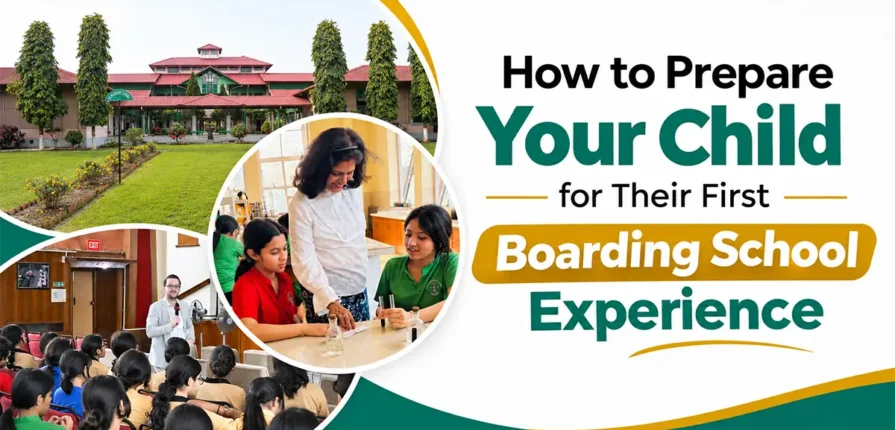
The weeks before a child leaves for boarding school are usually filled with practical preparations. Parents arrange uniforms, buy books and check packing lists. Meanwhile, the child is preparing for a change in everyday life: waking up, getting ready, managing personal belongings and spending time away from their family.
Knowing how to prepare your child for boarding school starts with helping them become comfortable with these changes. Give them opportunities to follow simple routines independently and encourage them to ask for help whenever they need it. It is also worth talking about what life in a boarding house will look like, including shared rooms, meal times and supervised study sessions.
Emotional Preparation: Setting Realistic Expectations
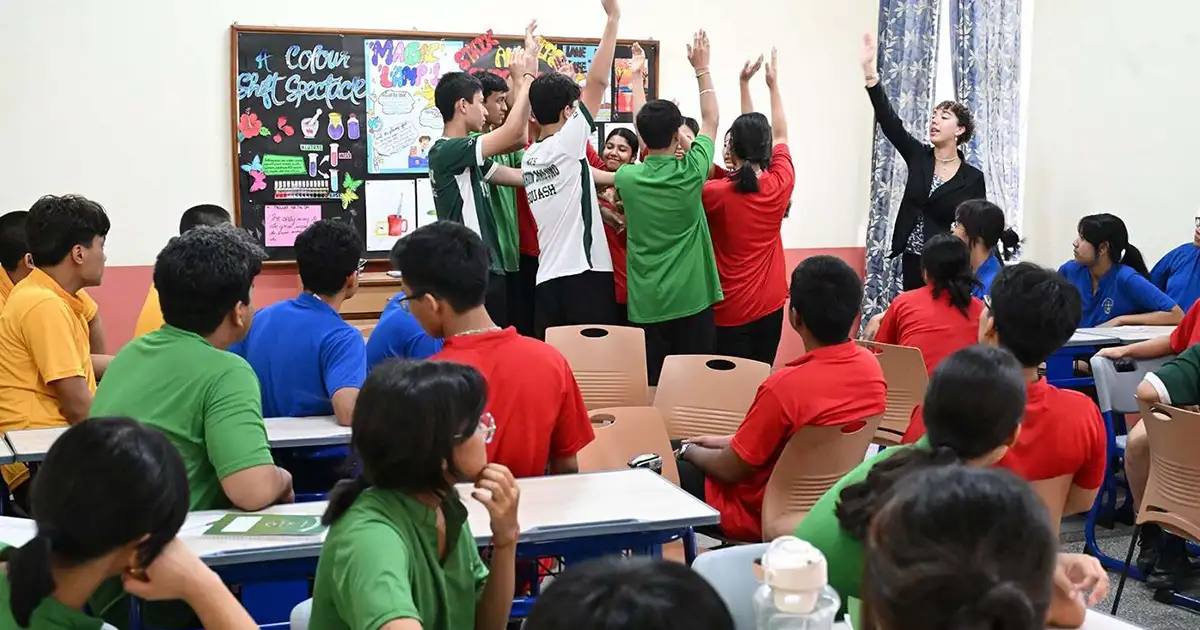
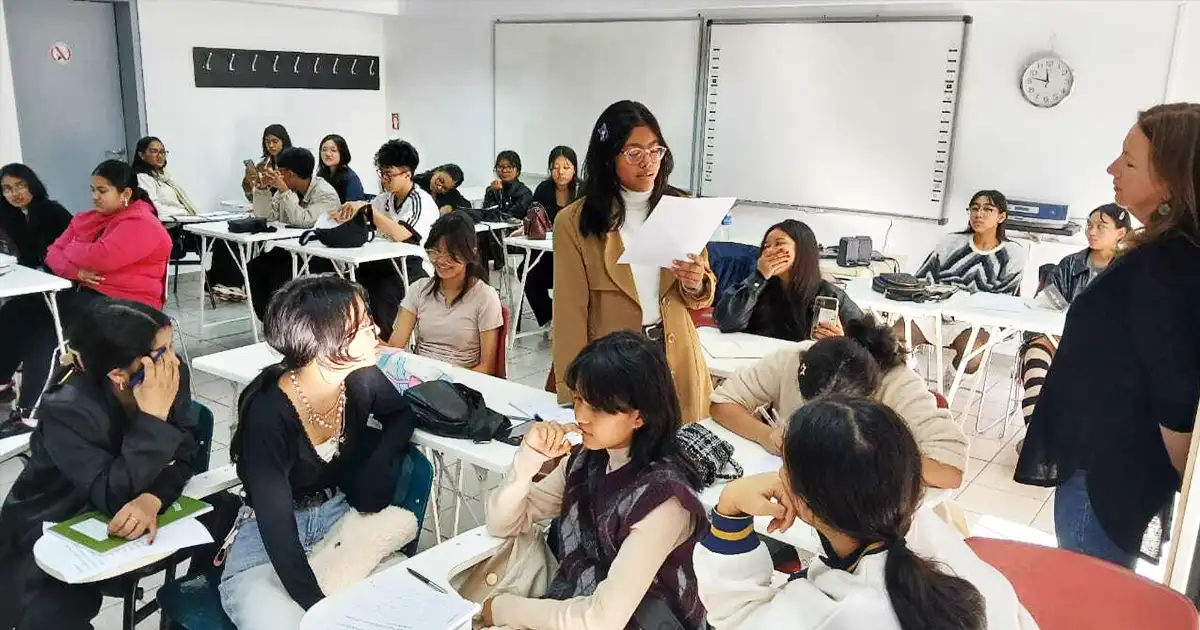
Children notice when their parents are worried, even when nobody discusses it openly. Reassurance helps, but so does honesty about the changes ahead.
Start conversations about residential life several months before the academic term begins:
- Ask What’s Worrying Them: Listen to specific concerns. Your child might worry about making friends, sharing a bedroom, or managing their schedule without daily reminders.
- Avoid Over-Promising: Do not tell your child that they will never feel lonely. Acknowledge that missing home is normal and that settling into a new routine takes time.
- Give Them Something to Look Forward To: Discuss how living on campus gives them opportunities to try new sports, join creative clubs, and meet peers who share similar interests.
Practising Independence at Home
Living on campus requires daily self-care. You can help your child practise basic routines at home long before they move into a Boarding House:
- Personal care: Let your child take responsibility for bathing, grooming, and getting dressed on time without step-by-step supervision.
- Looking after belongings: Have them put away clothes, books, and sports equipment after use.
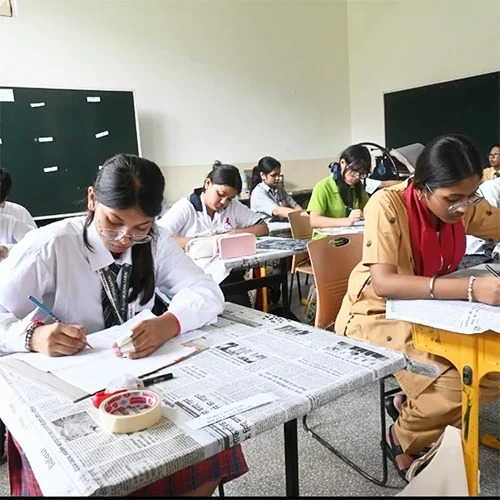
- Managing time: Give them a daily homework and rest schedule to follow without relying on constant reminders.
- Asking for help: Children should be able to explain what has gone wrong and approach an adult when they need assistance.
Let your child pack their own weekend bag and keep their study space tidy. Resist the temptation to step in every time something is misplaced.
Understanding Daily Boarding Routines
Talk your child through a typical day at a residential school. Knowing when lessons, meals, study periods, and activities take place can make the change feel less unfamiliar.
When choosing a Boarding School in India, parents should understand how residential life is organised. Timetables, supervision arrangements, and daily activities vary between institutions, so it is worth finding out what a typical day will look like for their child:
- Shared Living Spaces: Sharing a bedroom or dormitory requires patience, compromise, and respect for others’ privacy.
- Supervised Prep Hours: Many residential schools set aside supervised evening study periods to help students complete assignments and revise in a quiet environment.
- Fixed Daily Schedules: Timetables generally specify times for meals, morning fitness, house meetings, and lights-out to keep the community organised.
A child who is used to choosing their own bedtime or study schedule at home will need time to adapt.
Building Campus Familiarity
Visiting the campus before the official start of term helps children connect familiar faces to their new environment.
If you are joining The Assam Valley School in Balipara, take time to walk around the grounds together. Show your child where they will study, eat, play, and live. Meeting residential staff, such as the housemaster, housemistress, or dames (the residential staff member responsible for house welfare, similar to a matron), provides reassurance.
Knowing specifically whom to approach if they feel unwell, cannot sleep, or have a disagreement with a peer gives children a clear point of contact on campus.
Boarding School Preparation Checklist
Packing should be a joint project. Involving your child helps them feel involved in their personal transition. Always check the school’s official packing instructions before buying supplies to avoid bringing restricted items.
| Category | Essential Items | Parent Tips |
| Clothing and Uniforms | School uniforms, formal wear, sports kits, casual clothes, nightwear, and undergarments. | Label every item clearly with name tags or indelible fabric markers. |
| Footwear | Formal school shoes, sports trainers, casual shoes, and bathroom slippers. | Make sure new shoes are comfortable and broken in before school starts. |
| Toiletries | Soap, toothbrush, toothpaste, comb, towels, and a carry caddy (if permitted). | Choose durable, non-spill containers for bathroom supplies. |
| School Supplies | Notebooks, pens, pencils, geometry sets, and a sturdy school bag. | Keep basic stationery organised in a labelled case. |
| Personal Items | Family photos, a favourite book, or a comforting pillow. | Limit personal items to small, meaningful keepsakes. |
Managing Homesickness Constructively
Homesickness is a normal reaction to a major life change, not a sign that a child is unsuited to residential life.
Part of knowing how to prepare children for boarding school life is explaining that asking for help is sensible, not a sign that they cannot manage on their own.
Prepare your child by discussing practical ways to handle difficult moments:
- Acknowledge the Feeling: Let your child know they can talk about missing home without feeling embarrassed. They do not need to hide those feelings or pretend everything is fine.
- Seek Support: Remind your child that depending on their concern, they can approach their dame, tutor, or housemaster for guidance.
- Stay Engaged: Encourage them to participate in evening sports or house activities. Joining an activity gives them something familiar to focus on and helps them get to know other boarders.
If feelings of homesickness continue beyond the first few weeks, parents should speak with the residential staff about what the child is experiencing and what additional support may help.
Adjusting to Daily Life in a Boarding House
A child may need time to get used to sharing a room, following meal times, and fitting personal tasks around the school timetable. Small adjustments, such as remembering where belongings are kept or getting ready without a parent’s reminders, take time to become routine.
The benefits of boarding school for children may become apparent as they take responsibility for their belongings, learn to share space, and participate in activities outside the classroom.
Encourage your child to take each day as it comes. Learning the routine, getting comfortable with roommates, and managing personal responsibilities may take longer than a few days during their first boarding school experience.
Read Our Blog: Schools with Hostel in Assam: Facilities, Education & Student Life
Navigating the First Few Weeks as a Parent
The first few calls home can be difficult for parents too. A child may talk about missing familiar food, struggling with a new routine, or finding it hard to settle into a room with other students:
- Follow Communication Policies: Follow the school’s phone and communication arrangements so your child knows when to expect calls home.

- Listen Calmly: During early calls, your child may vent about unfamiliar routines or missing home. Listen with empathy without immediately trying to solve every problem for them.
- Speak to House Staff: If your child experiences persistent distress, contact their housemaster, housemistress, or tutor directly to coordinate support.
Residential Support at The Assam Valley School
Families exploring options for a Boarding School in Assam can consider The Assam Valley School. It is a state-of-the art boarding school which is set across a 235-acre campus in Balipara, Sonitpur. Its boarding houses are supported by a pastoral team with distinct responsibilities for student welfare and everyday care:
- Housemasters and Housemistresses: Senior faculty members who lead each house, overseeing student welfare and maintaining contact with parents.
- Tutors: Academic staff assigned to mentor specific groups of students, tracking their academic progress and daily well-being.
- Dames: Resident staff members who manage house medical routines, laundry, personal hygiene, and day-to-day care.
- Resident Tutors: Faculty members living within the house who assist with study supervision and night-time needs.
Parents can ask the admissions team how these roles work in practice and whom their child should approach for different kinds of support during their first term.
Read Our Blog: Why Parents Prefer the Best Co-Ed Residential Schools in India
Frequently Asked Questions
How do I prepare my child for their first boarding school experience?
Start by building everyday self-care habits at home, such as managing personal belongings and hygiene. Discuss daily boarding routines, visit the campus before the term begins, and establish a clear plan for staying in touch.
What should parents do before sending a child to boarding school?
Submit all required medical records, confirm arrival details, label all personal belongings, review the official school packing guidelines, and establish clear expectations with your child about phone call schedules.
How can children adjust to life at boarding school?
Children can begin settling in by learning the house routine, getting to know the other students, and taking part in activities. They should also know which member of the residential team to approach when they have a question or need help.
What should children pack for boarding school?
Pack required uniforms, casual clothing, sports gear, adequate footwear, basic toiletries, school supplies, and a few small personal keepsakes. Always refer to your school’s official packing instructions as the final authority.
How can parents help children overcome homesickness at boarding school?
Listen empathetically during scheduled phone calls, encourage your child to stay involved in house activities, and contact their Housemaster or Dame directly if distress continues.
Conclusion
Before the term begins, give your child time to practise everyday responsibilities and become familiar with the routines they will follow. The Assam Valley School’s admissions team can guide families on its current packing requirements, arrival arrangements, and pastoral support structures.






















 WhatsApp
 Student Login
 Register Now