
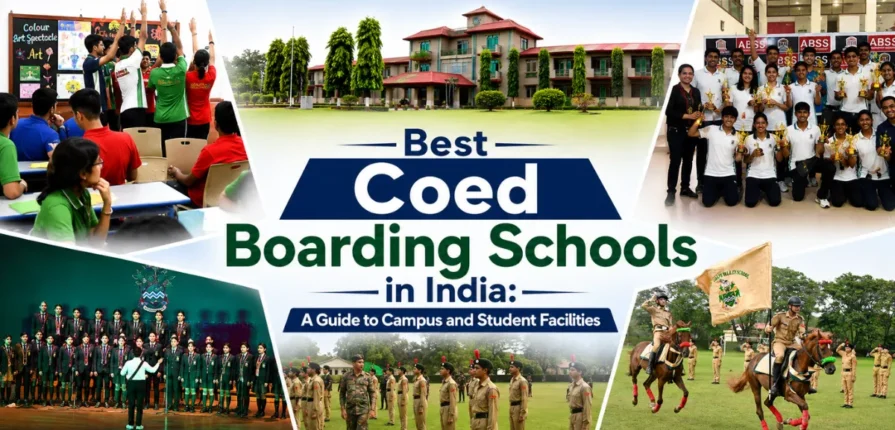
Choosing the right place for your child’s education is easily one of the most stressful decisions you will ever make as a parent. With hundreds of residential schools in India making similar claims, how do you actually separate real quality from marketing advertisements? It is completely fair to feel overwhelmed by the sheer number of options available today. When you look at co-educational boarding schools in India, the choice becomes even more critical. You are not just picking a classroom layout. You are selecting a complete living ecosystem where boys and girls learn to collaborate as equals in a safe, professional setting.
To find the right fit, you have to look closely at the actual infrastructure and daily operations of a campus. Top institutions build their environments to balance strict daily schedules with personal freedom.
What Makes a Residential Space Safe for Your Child?
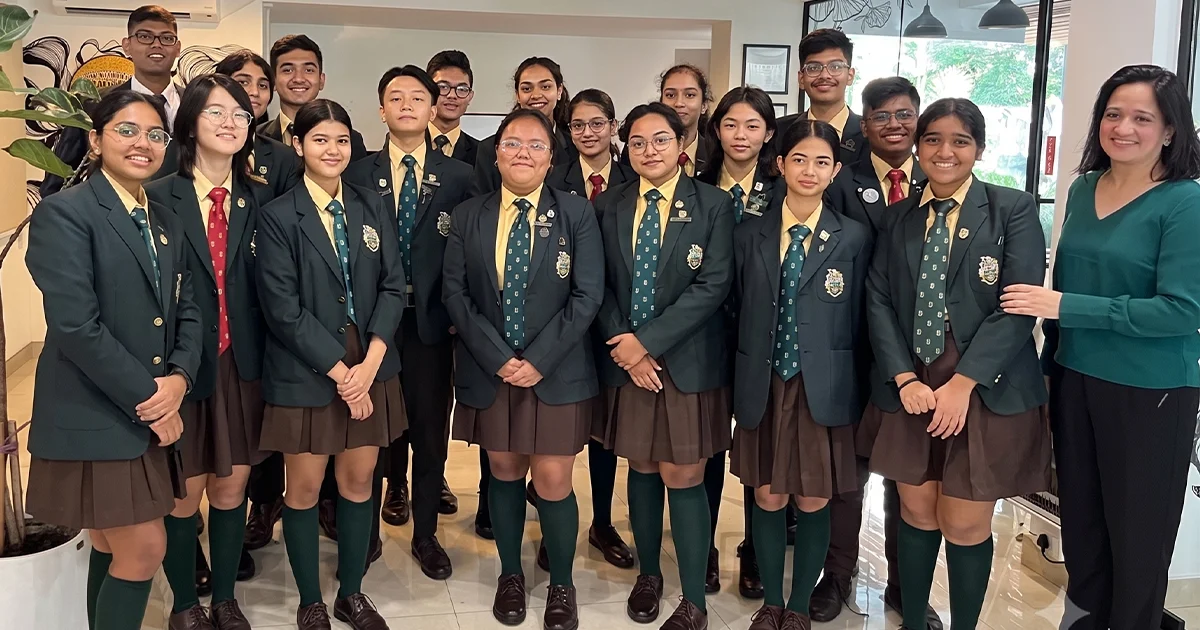
Safety is always the primary concern for any family sending a child away from home. The Best Co-Ed Boarding Schools in India address this worry through smart campus design rather than just relying on security guards at the gates. At The Assam Valley School, the physical layout divides the property into distinct functional zones to keep everyone secure.
Our residential spaces sit in a dedicated pastoral area, completely separate from the public meeting spaces and administrative offices. The Upper School houses—such as Lohit, Manas, Dhansiri, and Namdang—operate as independent, highly secure units. A resident housemaster or housemistress, along with a dame and a team of tutors, lives in attached apartments within these exact buildings. This layout provides continuous adult oversight throughout the night without invading the students’ privacy. Furthermore, a fully staffed infirmary operates 24×7 right on the property to handle health checks and emergencies instantly.
Structural Design Rules for Dining and Kitchen Areas
The layout of a quality school relies heavily on keeping domestic spaces separate from training zones. When hundreds of young learners live together on a single estate, kitchen operations require extreme mechanical precision. Chaotic, messy communal setups quickly ruin a student’s mental clarity and physical focus.
At Balipara, this clear separation shows up plainly in how our central dining halls operate. The school features two massive, modern central dining halls that split the student body into independent sectors. The girls’ dining hall covers an area of 15,876 square feet to serve 400 pupils comfortably. Meanwhile, the boys’ dining hall spans 21,258 square feet and easily handles 550 individuals. Both structures are built with high ceilings and wide windows to catch abundant natural light during daytime meals.
In ensuring that food remains at the best standards as required, our kitchen systems adhere to High International Hazard Analysis and Critical Control Points (HACCP). There are dedicated conveyor toasters and special food-warming facilities that ensure food is kept at optimal temperatures while retaining its natural components. The kitchen cleanup process incorporates automated washing systems brought from Sweden in order to ensure complete hygiene is achieved.
Evaluating Sports and Fitness Facilities on Campus
A school cannot claim to offer a healthy lifestyle if its sports facilities are limited to a single concrete playground or a shared football field. Excellent physical development requires dedicated, professional-grade training grounds. Many premium Boarding Schools with Sports Facilities now build specialized arenas to help students discover and develop their athletic talents.
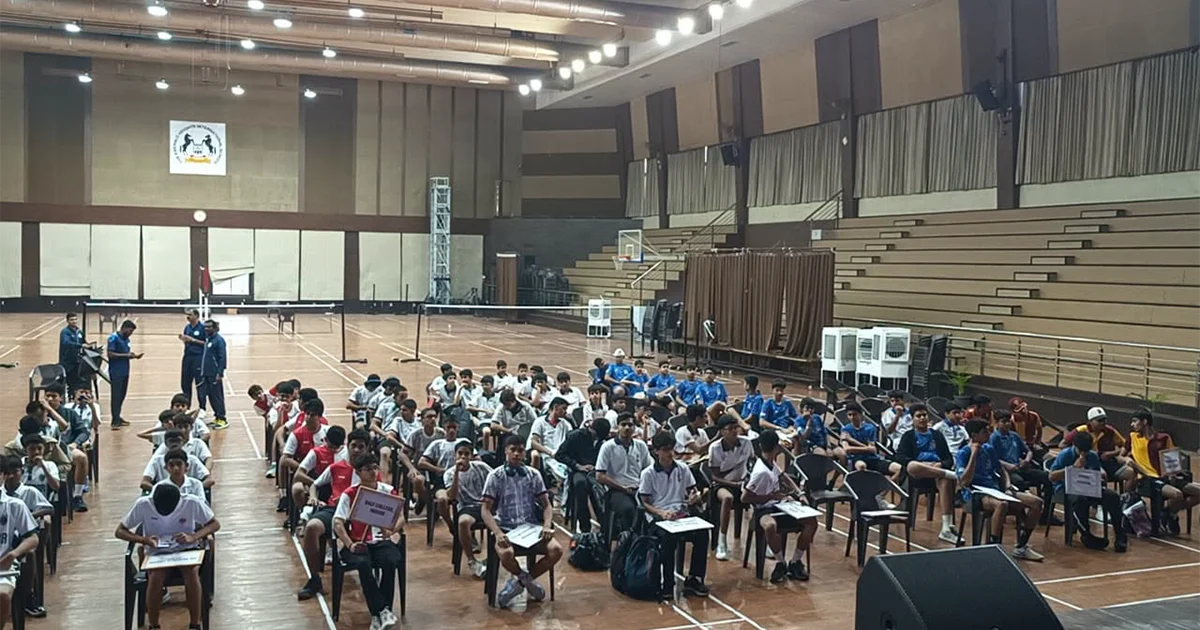
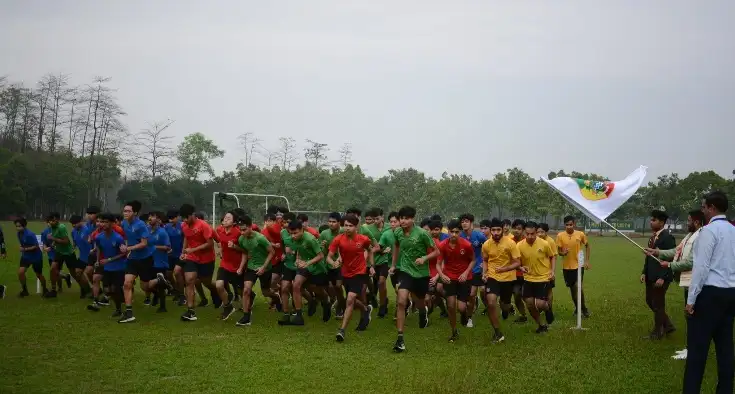
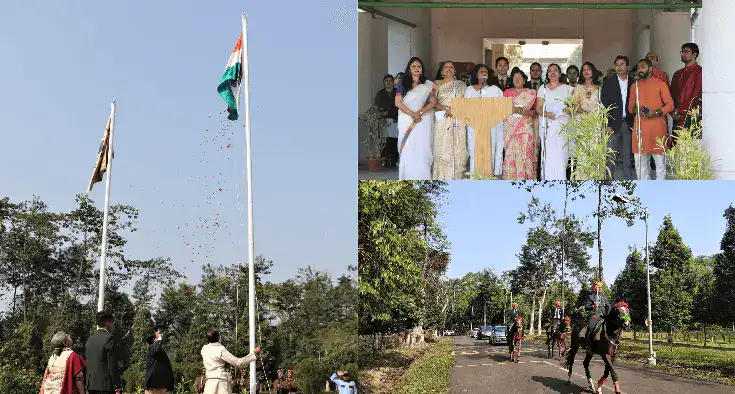
The vast 235-acre estate at Balipara allows us to host massive athletic setups that crowded city schools simply cannot match. The campus features a dedicated horse-riding school with full riding tracks and professional training staff. Students also train in professional swimming pools, multiple indoor badminton courts, and expansive outdoor playing fields on a daily basis. Because these facilities sit right inside our secure boundary walls, pupils can safely practice their chosen sports every afternoon without wasting time on travel.
Creative Spaces and Applied Learning Systems
True growth happens when a student’s daily routine connects their academic lessons directly with hands-on activities. This is the core foundation of holistic education in boarding schools. To achieve this, the physical infrastructure must include highly specialized spaces that encourage tactile learning.
A major anchor of our creative framework is the unique Craft Design & Technology (CDT) Centre. This facility is built specifically to foster applied creativity. Students work directly with indigenous materials like cane, bamboo, soft wood, and cotton textiles to master tangible design forms. The CDT Centre hosts an active natural dye and screen-printing workshop, a bamboo and wood workshop, and a digital design studio. This hands-on routine forces young minds to solve complex design challenges, moving them far away from passive classroom learning.
Academic Frameworks and Specialized Laboratories
While the living environment matters, the core classroom structure must support deep analytical thinking. Many families look for top boarding schools in India, while others prefer the distinct analytical depth of the Council framework. The infrastructure must support this academic rigor through highly specific, separate facilities.
Our academic area separates scientific disciplines into independent, fully equipped laboratories. Instead of a single general science room, the campus features distinct spaces for Physics, Chemistry, Biology, and Biotechnology, alongside dedicated Computer Labs. This separation allows students to conduct complex, independent research and experiments safely. Our central library acts as a quiet anchor for this research, providing the physical and digital resources needed for deep academic tracking.
Performing Arts Arenas and Large Presentation Venues
A student who can solve advanced equations in a laboratory must also learn how to present those ideas confidently to a large audience. Building public speaking skills and creative presence requires formal presentation spaces. Standard school classrooms simply cannot provide the right environment for this training.
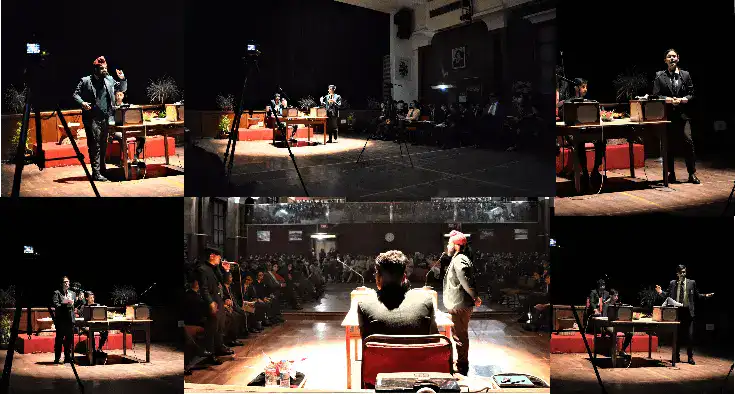
The central campus addresses this need through the Williamson Magor Hall, our primary air-conditioned auditorium. This large venue can seat up to 800 people and features professional stage lighting combinations and a sophisticated audio network. It serves as the main home for the school’s theatrical productions, morning assemblies, and inter school debates. For smaller, more conversational academic work, students use the Audio-Visual Room. This 70-seat venue provides an intimate space where students utilize multimedia gear to lead their own seminars, film reviews, and group defenses.
Real-World Exposure Through Outward Bound Programs
A complete education cannot happen entirely within the gates of a campus, no matter how large the estate is. High-performing residential schools in India must build external, real-world excursions into their yearly calendar. This exposure helps students test their personal independence in unfamiliar territory.
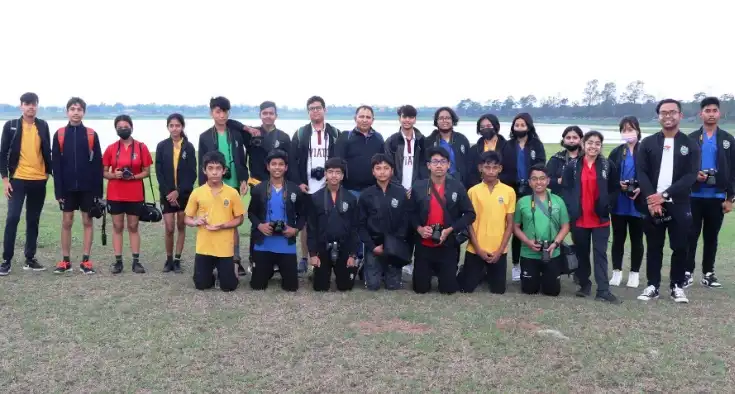
This is made possible by the special Edutrex program in the school. The Edutrex program is an outward-bound concept that has helped change the conventional vacationing experiences of passive tourists to student adventures and trekking in the wilderness. Each year, our students visit various locations within and outside India to gain practical knowledge. From assessing the historical buildings of Jaipur to conserving wild animals in Pachmarhi, our children are able to handle their time and logistics in actual situations. This type of travel helps ensure that our children become very flexible and independent long before applying to international universities.
Choosing a Track for the Future
Evaluating the best co-ed boarding schools in India forces you to look at real-world readiness. Manicured lawns cannot replace the deep analytical training provided by highly specialized, operational spaces.
The environment of Balipara creates this survival skill in every individual learner. Combining the hands-on challenges of the CDT Center with those of the travel model of Edutrex creates such an ability that breaks learners out of a passive way of life. They are not simply copying notes within top-notch residential schools in India; rather, they become individuals who can survive anywhere in the world thanks to their ability to deal with difficult professional challenges in any corner of the earth.
FAQ
Q1: What specific residential houses make up the Upper School?
The upper school student body is organized into distinct residential units, including Lohit, Manas, Dhansiri, and Namdang houses. Each house has its own dedicated pastoral care team living on-site.
Q2: What makes the CDT Centre unique compared to standard art rooms?
The Craft Design & Technology (CDT) Centre focuses on applied design using regional materials. It contains specialized workshops for wood and bamboo work, natural dyeing, screen printing, and digital design.
Q3: Are scientific facilities grouped together or separated?
The campus features completely separate, specialized laboratories for physics, chemistry, biology, and biotechnology to allow for advanced, curriculum-specific research.
Q4: What is the Edutrex program at The Assam Valley School?
Edutrex is the school’s specialized outward-bound and expedition program. It organizes structured learning treks and excursions across India and abroad to build student independence.
Q5: Does the school have on-site sports facilities for horse riding?
Yes. The campus infrastructure includes a dedicated riding school with full tracks and training staff, allowing students to practice safely inside the property.








 WhatsApp
 Student Login
 Register Now