
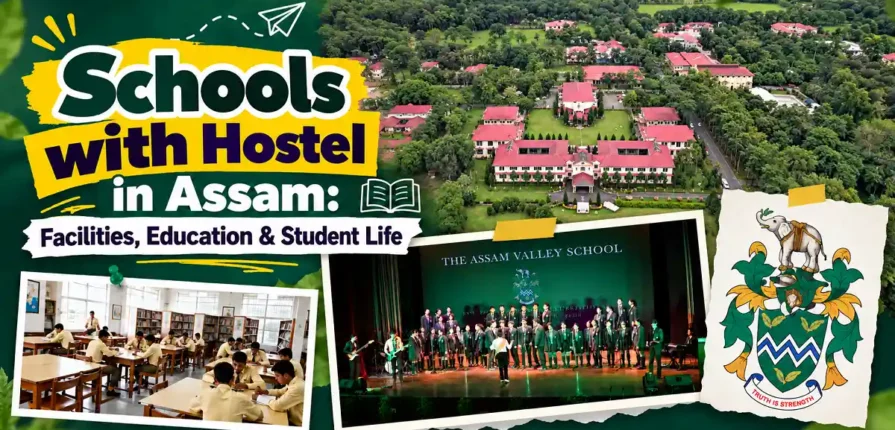
Choosing a school with a residential programme is different from choosing a day school. Parents are considering where their child will study, sleep, eat, spend free time and turn to for help when they are away from home.
The term “school with hostel” can mean different things from one school to another. Some schools operate mainly as day schools with residential accommodation, while others run a full boarding programme where academic and residential life are closely connected. The level of supervision, pastoral care, activities and academic support can differ from one school to another.
This guide explains what parents should look at when comparing schools with hostel facilities in Assam, including residential care, academics, student life and the daily routine.
What Should Parents Know About Schools with Hostel?
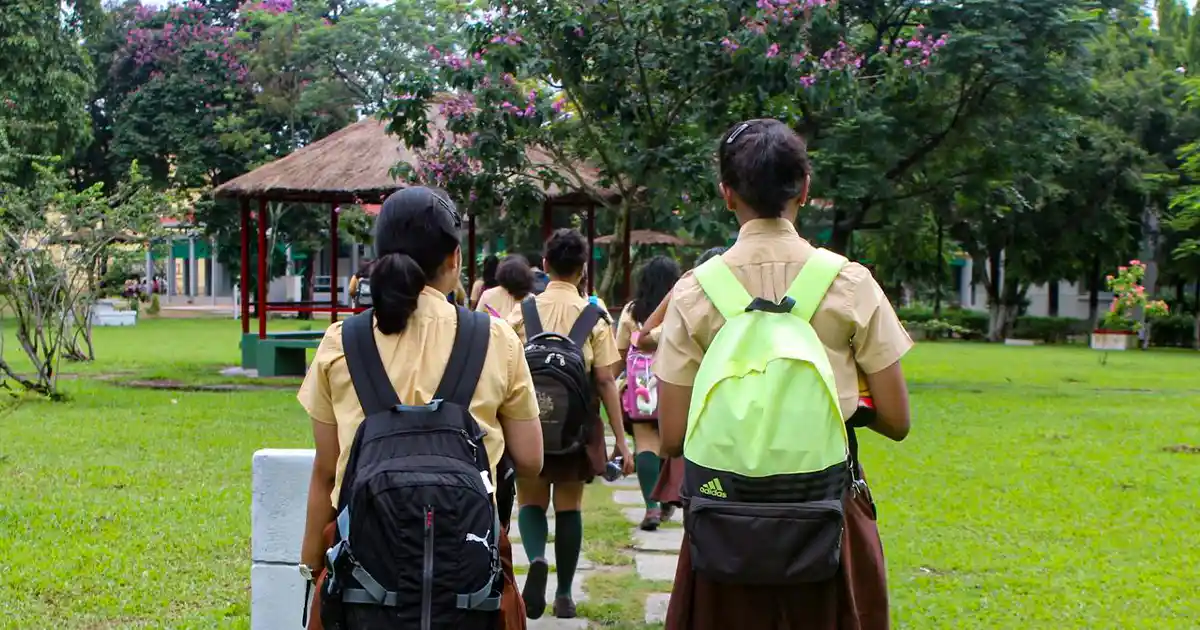
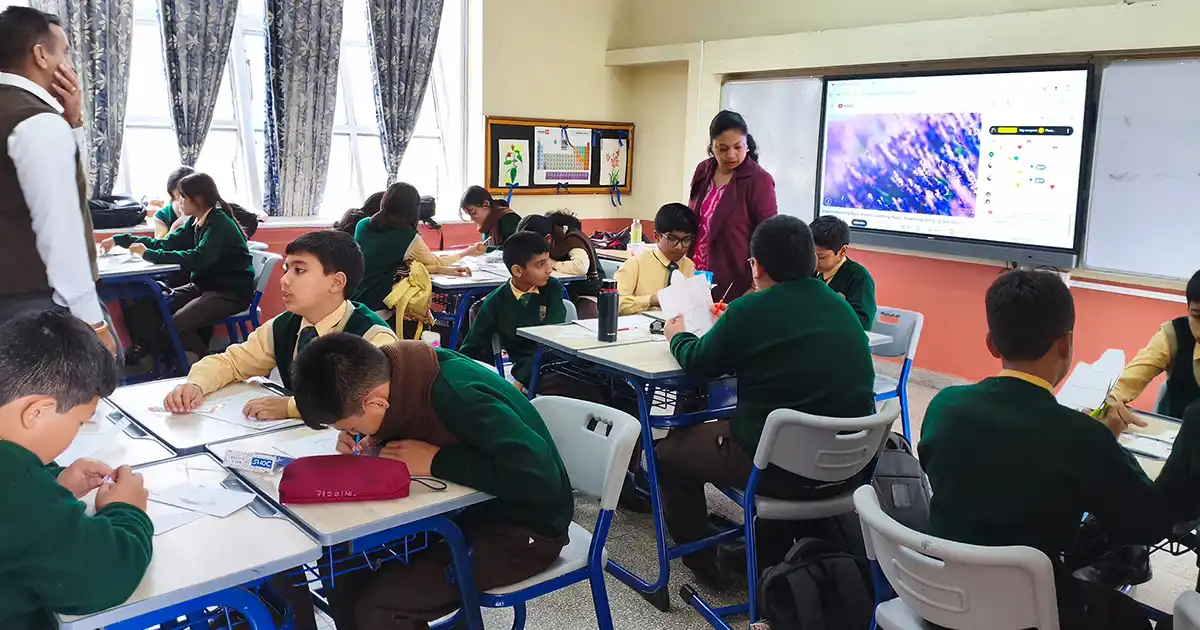
Parents often use terms like hostel, boarding school, residential school, and boarding house interchangeably. However, the living arrangements and daily care models differ across institutions.
| Residential Model | What It Usually Means | What Parents Should Check |
| Day School with Hostel | The school mainly operates as a day school, with hostel accommodation available for residential students. | Who supervises students after classes and what academic or structured activities happen in the evening? |
| Day-cum-Boarding | The school educates both day scholars and boarders on the same campus. | How are residential students supported after day students leave, and how are evening routines managed? |
| Full Residential School | Students live on campus throughout the term, with classes, meals, activities and residential life organised as part of the school routine. | How are academics, meals, weekend activities, healthcare and student support managed day-to-day? |
| Boarding House System | Students live in separate houses managed by dedicated residential staff, such as Housemasters, Tutors and Dames. | Who looks after the house, what support do students receive each day, and what happens outside class hours? |
The accommodation is only one part of boarding life. Parents should also ask what daily support students receive once classes are over.
At The Assam Valley School (AVS), student residences are called Boarding Houses rather than hostels. The boarding staff also support students outside class hours.
What Should Parents Look for in a Residential School?
A good campus does not tell parents everything they need to know about residential life. Ask how the school manages care, supervision, health, meals and student support after the school day ends.
Parents comparing the best schools with hostel facilities in Assam should look closely at how each school manages the following areas:
- Pastoral Care and Student Wellbeing: Find out who students can turn to when they need help. Depending on the school, this may include a Housemaster or Housemistress, Resident Tutors, Dames or Matrons. Their roles typically cover supervising the house, supporting students and helping with day-to-day needs.
- Residential Supervision and Safety: Learn who supervises students during the evening and overnight, how visitors enter the campus, and what safeguarding procedures are followed.
- Health and Medical Support: Ask how the school handles routine illnesses, medication and emergencies, and whether medical support is available on campus or through nearby healthcare providers.
- Food and Meals: Look into how meals are planned, how dietary requirements are handled, and what support is available when a child is unwell or needs a special diet.
Academic Frameworks in Residential Settings
While parents who want to choose an ICSE Boarding School in Assam for their children need to consider various things in the boarding school, it is essential to pay attention to the academic side of education that the institution provides.
ICSE is the Class 10 examination conducted by the Council for the Indian School Certificate Examinations (CISCE). ISC is the Class 12 examination under the same council.
What Parents Should Check
- Curriculum and Subjects: Look at the subject combinations available at the ICSE and ISC levels, along with the amount of practical and project work students complete.
- Practical and Project Work: It is also worth finding out how science laboratories, computer facilities and library resources are used during the academic year.
- Evening Academic Support: Evening study arrangements also deserve attention. At AVS, evening study periods, known as “prep”, are part of the residential routine. Parents can ask how these sessions are supervised and what academic support is available during them.
Student Life in a Residential School
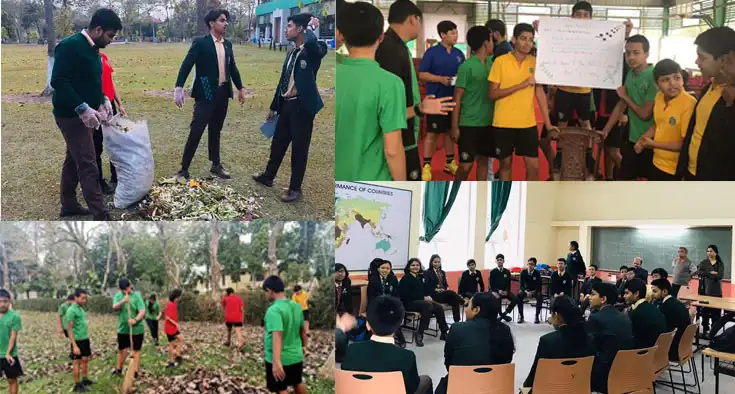
Boarding students have a daily routine that usually includes classes, study time, meals, activities, recreation and rest.
An Example of a Residential Day
The exact schedule varies by school and age group, but a residential day may include:
- Early Morning: Physical training, sports practice, or outdoor fitness.
- Morning to Early Afternoon: Classroom instruction, practical lab sessions, and library periods.
- Late Afternoon: Sports, house matches, outdoor recreation, or scheduled school activities.
- Early Evening: Co-curricular activities such as music, drama, art, debate, or club activities.
- Evening: Supervised prep hours for homework, quiet study, and revision.
- Night: Dinner, house activities, leisure time with peers, and age-appropriate lights-out times.
How Does Boarding Help Children Become More Independent?
Boarding gives children regular opportunities to take responsibility for everyday tasks:
- Managing Personal Belongings: Keeping study materials, uniforms, and living areas organized.
- Time Management: Balancing study, sports, activities and rest.
- Living in a Community: Sharing living spaces, learning compromise, and resolving minor peer disagreements.
- Asking for Help: Knowing when to approach a tutor, house staff member, or Dame when experiencing academic or personal difficulty.
Addressing Homesickness and Adjustment
Homesickness is a normal part of adjusting to boarding, particularly for younger children and first-time boarders. Schools need clear ways to help students settle in:
- Orientation and Buddy Systems: Pairing new students with experienced peers who can explain house routines and help them settle during the first few weeks.
- Predictable Routines: A clear daily routine can make the first few weeks easier because children know what to expect.
- Staff Support: Children should know which adults they can approach when they feel homesick or need help.
- Contact with Families: Scheduled calls and family visits help children stay connected with their parents while maintaining their normal school routine.
Why Location Becomes Important While Choosing a Residential School in Assam
For a child living away from home, the distance between school and family can feel very different from what it looks like on a map. A long journey home can be tiring, especially for younger children or students who are still getting used to boarding life. Parents should think about how their child will travel home during term breaks and how easy it would be to reach the school if the need arises.
The setting of a boarding school becomes part of a child’s daily life. They spend their mornings, afternoons and free time on campus, so the surroundings can have a real effect on their experience. The Assam Valley School is located in Balipara, Sonitpur, and its campus covers 270 acres. The size of the campus gives students plenty of room for sports, outdoor activities and time with friends.
Distance from home is yet another thing that parents should consider. Before selecting any school, it is advisable to look at the nearest airport or railway stations, major road networks, and time required to reach the school from home. Another thing you can inquire about is the mode of transportation used by students when on holiday.
A Closer Look at The Assam Valley School (AVS)
For parents comparing Co-Educational Boarding Schools in Assam, The Assam Valley School provides one example of a full residential model.
| Feature | Details |
| Location | Balipara, Sonitpur, Assam |
| Affiliation | Council for the Indian School Certificate Examinations (CISCE – ICSE / ISC) |
| Campus Area | 270 Acres |
| Model | Full Residential, Co-Educational |
| Pastoral Care Structure | Boarding Houses with Housemasters/Housemistresses, Dames, and Resident Tutors |
| Campus Access & Safety | Controlled gate access, perimeter security, and 24/7 CCTV coverage |
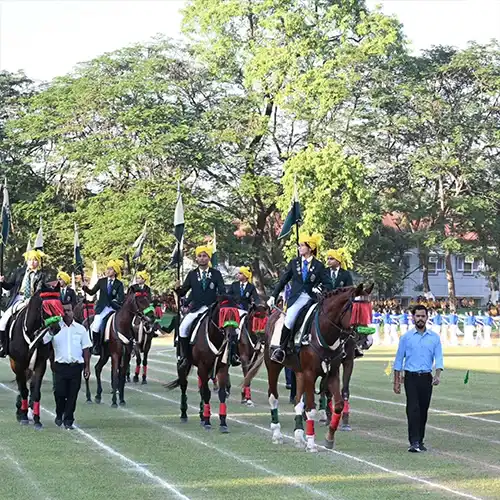
| Student Activities | Equestrian, archery, performing arts, crafts, team sports, and school publications and many more. |
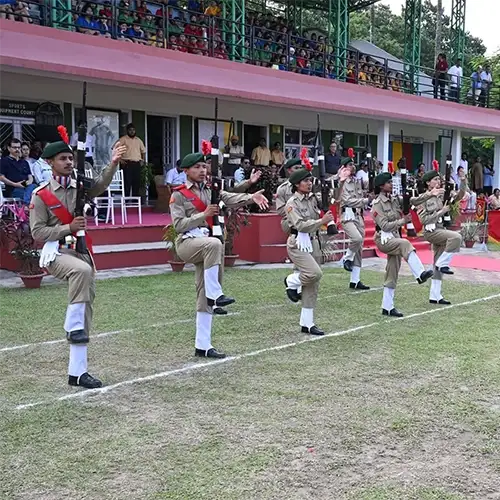
AVS organizes residential life through separate Boarding Houses for boys and girls. Housemasters, Dames and Resident Tutors form part of the house structure and support students outside classroom hours.
How to be a One Step Ahead to Ensure You make the Best Choice
If possible, parents should spend some time on campus before making a decision. A short visit can show details that are difficult to understand from a website or prospectus. Notice the condition of the boarding rooms, study areas and common spaces. If students are around, their behaviour and interaction with the staff can also give you a sense of the atmosphere in the house.
It can also help to speak to parents whose children already board at the school. Their experience of the first few months, holidays, communication with the school and everyday life on campus may raise questions that you had not considered.
Pick the Right School with Hostel in Assam
Choosing among Schools with Residential facilities in Assam requires a closer look at daily life, not just the accommodation. Parents should consider who supervises students, how healthcare and meals are managed, what academic support is available after classes, and how children are supported when they are away from home.
Schools with Hostel in Assam can follow very different residential models. Asking the right questions and understanding how each school manages life outside the classroom helps families find an option that fits their child’s age, academic needs and personal comfort level.
Frequently Asked Questions
What is the difference between a school hostel and a boarding house system?
The terms are often used interchangeably, but they can describe different residential models. A hostel may primarily refer to student accommodation, while a boarding house is organized as part of the school’s wider residential and pastoral structure. Parents should ask how accommodation, supervision, study time, and student support are organized outside classroom hours.
Are co-educational boarding schools in Assam suitable for younger children?
Yes, a co-educational boarding school can be suitable for younger children, but parents should look closely at age-specific arrangements. Ask how younger boarders are housed, who supervises them, how homesickness is managed, and whether daily routines are adjusted for their age group.
How do residential schools handle academic support outside classroom hours?
Many full residential schools include study periods, often called “prep”, in the evening routine. Depending on the school, resident teachers or tutors may be available during prep to help with homework, explain difficult concepts or supervise study time.
What security measures should parents ask about at residential schools in Assam?
Security arrangements vary between schools. Parents should ask about controlled entry points, visitor verification, CCTV coverage, overnight residential staff presence, emergency medical procedures, and how student safeguarding policies are implemented day-to-day.









 WhatsApp
 Student Login
 Register Now