
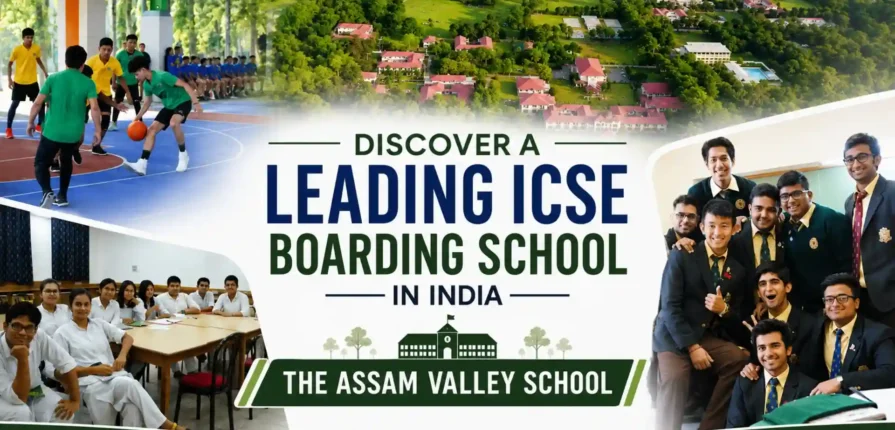
All parents want is the best for their children. And when it comes to schooling, taking a chance or choosing blindly should never be an option. Many schools highlight similar academic achievements, making it difficult for parents to understand what truly sets one campus apart. When evaluating an ICSE boarding school in India, many parents look for a space where their child can build deep confidence, make lifelong friends, and stay safe. Located in Balipara, Assam, The Assam Valley School offers a distinct living and learning environment. The campus spreads across 235 acres within the Harchurah Tea Estate, balancing serious academics with supportive, hands-on personal care.
The Value of the ICSE Residential System
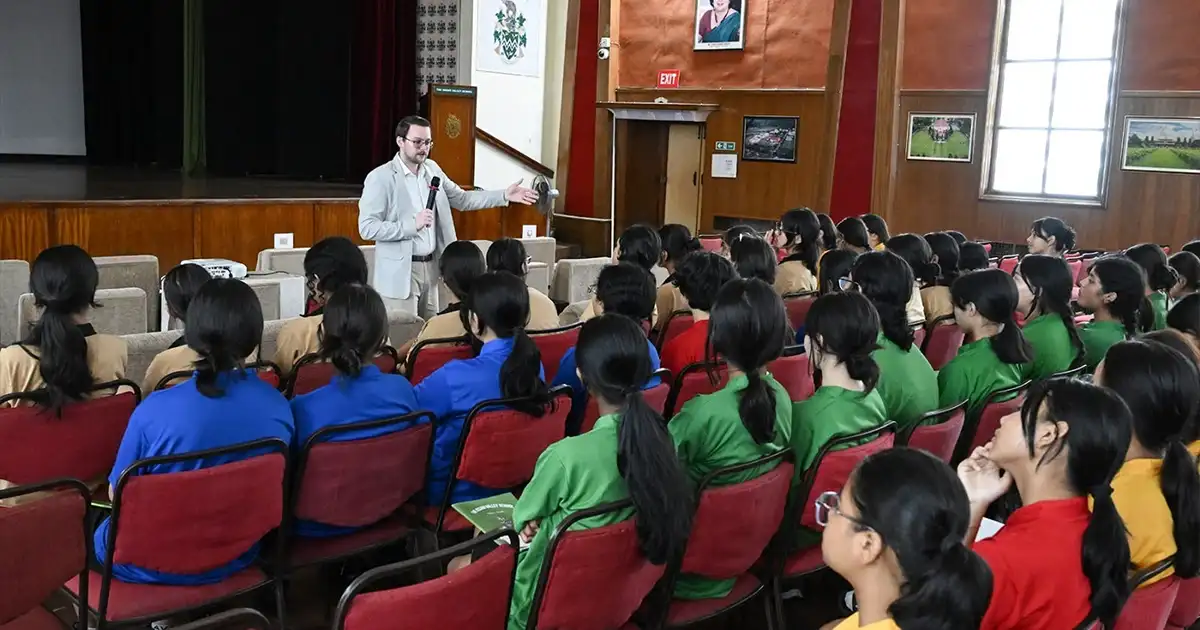
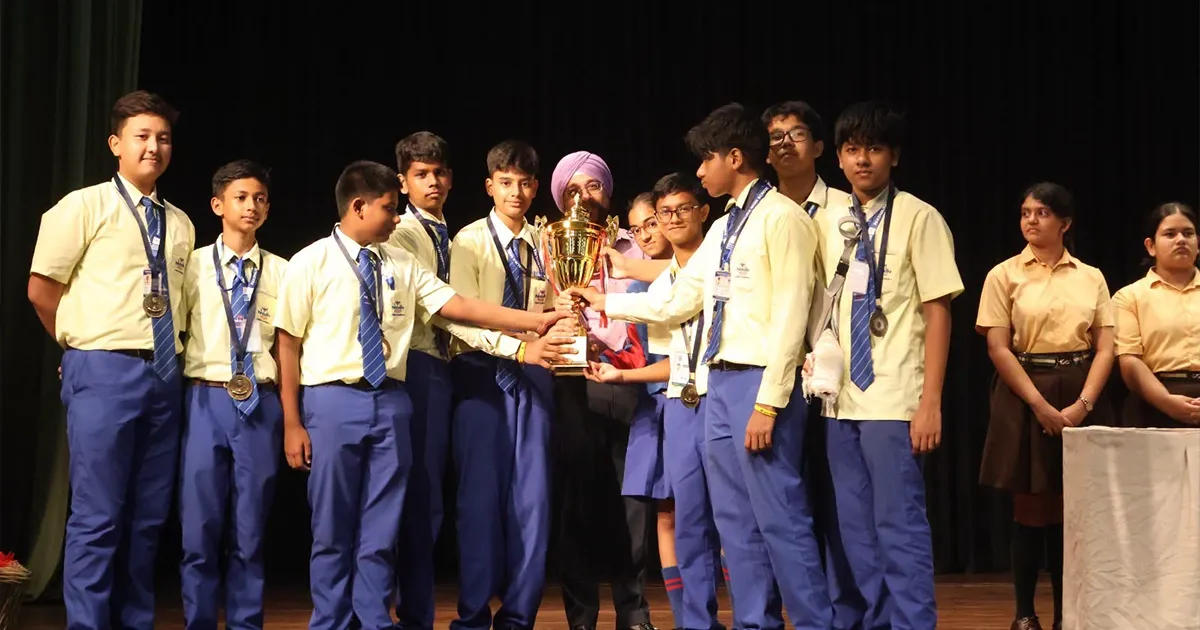
Sending your child to a boarding school means choosing a place where they feel safe, supported, and encouraged to grow. Living together on campus helps students build close friendships, learn to work as a team, and become more independent in their daily lives. Many of these relationships continue long after school ends.
The academic environment is equally crucial. The ICSE syllabus helps the students do more than just mere rote learning for exams. With the help of practical assignments, research assignments, presentation assignments, and creative writing, students gain skills in critical thinking and effective communication. Such skills can make them adapt effectively to their college education and professional career in the future.
What Makes The Assam Valley School a Top Choice?
The Academic Journey: From Lower School to ISC
The academic timeline at the school is broken down into clear, age-appropriate steps so students never feel overwhelmed by sudden shifts in expectations.
- Classes 5 to 8 (The Lower School): The lower school focuses on building strong reading habits, basic math logic, and a curiosity for science. To keep students connected with their roots, regional languages like Assamese, Hindi, and Bengali are taught alongside core subjects.
- Classes 9 and 10 (ICSE Track): Here, the work becomes more focused. The syllabus requires steady project submissions and practical lab work, which helps students understand how classroom lessons apply to real life.
- Classes 11 & 12 (Preparation for ISC): These two years give concrete direction to the students in the fields of science, commerce, and humanities. Management of time is also introduced through self-study as they prepare themselves for college admissions.

Campus Traditions and Daily Life
The campus itself plays an important role in student life. Free from city noise and pollution, the environment allows children to enjoy their youth while exploring unique talents.
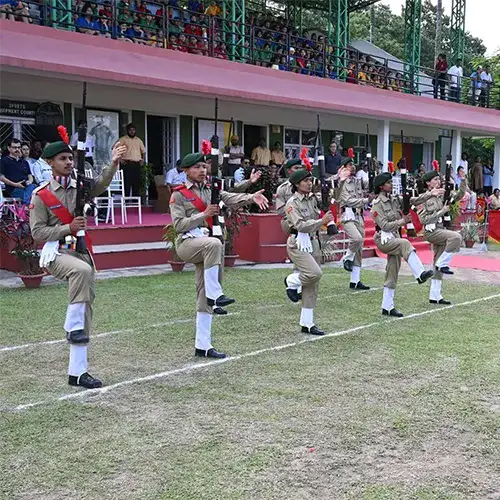
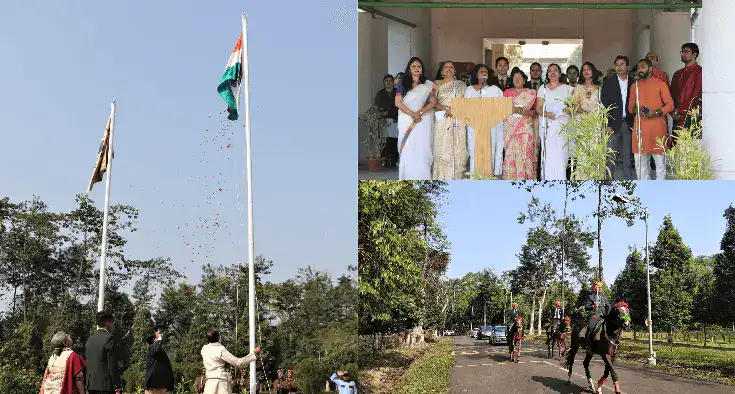
The school features a dedicated equestrian programme with its own riding school and active stables where students can learn proper horse-riding and horse care. Along with riding, the campus houses a large swimming pool, squash courts, and an archery range.
Creative development occurs through practical experience. Students themselves compose and distribute their campus newsletter, titled The Assam Valley Express, on a weekly basis, where they learn about print journalism skills and media coverage.
Key Benefits of an ICSE Residential Education
Choosing the Best Boarding School in India involves looking at how a school supports a child’s complete lifestyle over several years.
| Growth Areas | What the School Offers | The Long-Term Benefit |
| Global Exposure | Membership in the international Round Square network for regional service projects. | Helps students become comfortable interacting with people from different cultures. |
| Independence | Managed house systems where kids take care of their rooms and personal schedules. | Builds self-reliance and daily organization before college life begins. |
| Communication Skills | Heavy focus on English expression balanced with local Northeast languages. | Helps your child become a confident public speaker and a confident writer. |
Common Mistakes Parents Make During the Selection Process
It is easy to get distracted by glossy pictures or historic buildings when researching options. However, focusing on the wrong details can mean choosing a place that does not fit your child’s personality.
- Overlooking the Board Requirements: The ICSE Board requires consistent project work throughout the school year. If your child prefers studying everything at the last minute for one big exam, this continuous writing track might require a different adjustment period.
- Missing the Pastoral Care Details: A school needs an active, caring team to look after a child’s daily emotional health. Always ask how the housemasters, resident tutors, and matrons manage homesickness and help new kids settle in.
- Focusing on Buildings Instead of Coaching: Having a great sports fields is only helpful if there are professional coaches to teach the games safely. Look for schools that employ full-time athletic staff who know how to encourage beginners.
The Admission Process: A Simple Guide
Securing a seat requires following a few clear administrative steps during the main enrolment terms.
- Initial Registration: Parents submit official school reports from the previous two years to the admissions desk to verify eligibility for the correct class.
- The Aptitude Assessment: Applicants take a basic test covering English, mathematics, and general logic to see how they handle problem-solving.
- Personal Interaction: The admissions committee meets with the family to chat about the child’s interests, followed by a routine health check by the campus medical team.
- House Placement: Once approved, the student is assigned to a residential house and attends a welcoming orientation to meet roommates before the term begins.
Possible Student Pathways
Every student shapes their school journey based on what they love to do. Here are two examples of how those paths might look:
- The Creative and Business Track: A student joins the school newsletter team in Class 9, learns how to edit articles, and chooses the ISC Commerce stream. They graduate with a strong portfolio of writing work and the confidence to speak in public.
- The Sports and Science Track: A child starts archery or horse-riding in the lower school while working through the ICSE Science syllabus. Managing daily practice times alongside lab work teaches them how to stay organized, preparing them well for busy university schedules.
Insights from Residential Educators
Experienced boarding school teachers often say that the first few weeks are about learning to adapt rather than getting perfect grades. A child needs time to get used to sharing a room, waking up to a morning bell, and organizing their books. Parents can help by having the least amount of intervention during this transition phase. Allowing your child to talk through small daily worries with their housemaster builds one of the most valuable lessons boarding school offers.
Conclusion
Finding a premier ICSE boarding school in India comes down to looking for a balanced environment where your child can grow into a resilient, capable individual. The Assam Valley School achieves this by matching the thorough CISCE curriculum with a spacious campus, dedicated sports programs, and supportive residential care.
If you want to help your child build real independence away from daily city distractions, looking at their household setup is a great starting point. Your next step should be reaching out to the admissions office to check upcoming test dates or planning a visit to the Balipara campus to see the houses for yourself.
Frequently Asked Questions
Q1. How does the ICSE board differ from CBSE in a boarding school setup?
The ICSE curriculum places a strong focus on language skills, detailed project work, and regular practical assessments. CBSE often highlights uniform test formats. The ICSE approach is highly beneficial for students who prefer analytical writing and continuous, practical evaluations.
Q2. What is the minimum age for admission to a residential school like AVS?
Most leading boarding schools start their intake from Class 5, when children are around nine or ten years old. At this stage, kids are usually mature enough to handle personal routines like bathing and dressing independently in a shared house.
Q3. How does a Round Square school benefit my child?
Round Square membership connects the institution to an international network of schools. This allows students to take part in regional service projects, attend youth conferences, and join exchange programs that broaden their worldview.
Q4. What happens if a student falls sick on campus?
Top residential schools run full-time campus hospitals with resident doctors and nurses who can look after daily illnesses. They also partner with major hospitals nearby to handle specialized treatments or quick medical emergencies.
Q5. Can a student study their regional language at the school?
Yes, the school supports multiple language options, including Assamese, Hindi, and Bengali. This helps students stay comfortable speaking and reading their native language while living away from home.






 WhatsApp
 Student Login
 Register Now